
Gum Disease Treatment
Keeping Your Gums Healthy Is Important

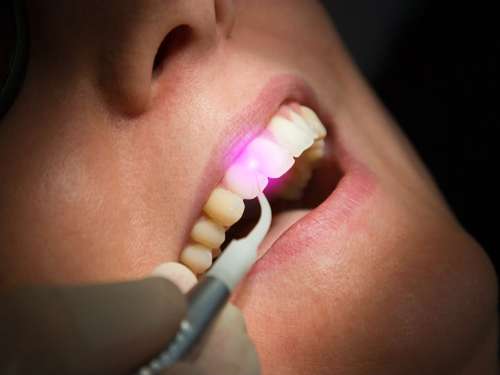
We use a soft tissue laser to gently and effectively treat gum disease and get your oral health back on track.

Gum Disease Treatment | Dentist

Gum Disease Treatment

Periodontal (gum) disease is a growing oral health problem and one of the most common conditions we treat.

While periodontal disease is preventable with good oral hygiene habits, it can still develop. And the earlier we catch it, the easier it will be to treat.

What Is Periodontal Disease?

Periodontal disease, or gum disease, is caused by plaque that builds up on the teeth, especially under the gumline. The sticky plaque attracts bacteria and eventually turns into hard tartar. The tartar and bacteria irritate the gums and cause infection.

Preventing Periodontal Disease

Brushing twice a day and flossing once using proper techniques removes a lot of plaque. However, even the most diligent brusher and flosser may have difficulty removing all the plaque, especially under the gumline. You can improve your chances of preventing gum disease with twice-yearly professional dental cleanings from a skilled dental hygienist as recommended by the American Dental Association.

But what if you brush and floss and get your regular cleanings like you are supposed to and still get periodontal disease? Other factors can contribute to and cause a predisposition to gum disease:

  • Smoking increases your risk of developing gum disease. If you need help quitting, speak with your dentist.
  • Diabetes and heart disease are both linked to periodontal disease.
  • Numerous prescription medications cause dry mouth that contributes to gum disease.
  • Illnesses like cancer inhibit your immune system and increase your risk of developing periodontal disease.
  • Genetics also plays a role as gum disease tends to run in families.

Frequently Asked Questions

In its earliest stages, we can reverse gum disease by improving your hygiene routine and adding in an antimicrobial treatment. Once gum disease has progressed past a certain point, however, the disease is not reversible. We can still provide treatment that will stop the disease in its tracks and prevent further deterioration of your gum and bone t

Treating Periodontal Disease

How we address gum disease depends on how advanced it is and how much damage it has caused. Treating gum disease is important even in the early stage called gingivitis. As a progressive disease, delaying treatment will only allow further damage to your teeth and the bones and ligaments that support them.

Worse yet, untreated gum disease can also contribute to general health problems like heart and lung disease, stroke, dementia, and pregnancy complications.

Treating mild gum disease requires a renewed commitment to good oral hygiene habits and daily use of an antimicrobial mouthwash. Treatment for moderate-to-advanced gum disease may involve a deep cleaning known as scaling and root planing. Our hygienist removes tartar buildup from below the gumline during this treatment and smooths rough spots where bacteria gather.

If you are concerned that you might have periodontal disease, don’t hesitate to call us to schedule an appointment and provide treatment if needed. 

  • Dr. Lisa Symonds DDS

    Lisa Symonds, DDS, is a dedicated dentist at Chinook Family Dentistry. She brings a lifelong passion for oral health and patient care to her work each day. Her journey in dentistry began early; she started working as a sterilization technician for her father in 1992 while still in high school.

    During her undergraduate years, she continued to grow in the field by assisting him chairside, experiences that solidified her interest in pursuing a health profession and ultimately led her to dentistry.

    Dr. Symonds earned her dental degree from the Northwestern University Dental ...

    Read More

Gum Disease Treatment Technology

Laser Dentistry

Dental lasers allow us to provide incredibly precise treatment with greater comfort, faster healing times, and less risk of bleeding than conventional surgical procedures. Lasers are particularly effective in the treatment of gum disease because they are able to target the damaged and diseased tissue while preserving healthy gum tissue. Lasers also effectively target bacteria, helping to eliminate the infection.